The last apprentice at the forge
At nineteen, Rory Tanner is the only apprentice at a village forge that has been working since 1780. He talks hammers, hands and the waiting list.

ory Tanner has burns on both forearms and a waiting list of nine months. He is nineteen. The forge he works in was already old when Napoleon was young.
How did you start? “School sent me on a week’s placement. I was meant to go to a garage. The garage was full.”
On learning
“For the first six months I just held things. You hold the iron while he strikes, and you learn the colours. Straw, then orange, then the bright yellow where it starts to spark. That’s the whole language.”
On the future
“People want gates, hooks, fire irons, things that last. There’s more work than smiths. What there isn’t is somewhere to learn, so I’d like to teach one day.”
Before we left he made us each a hook, in about four minutes, and did not look at the clock once.

¶ Written by
Hal Denby
Field correspondent
Hal walks to most of his stories. He has covered salt roads, lighthouses, forges and the last working thatchers, usually in the rain.
More from the journal
Essays
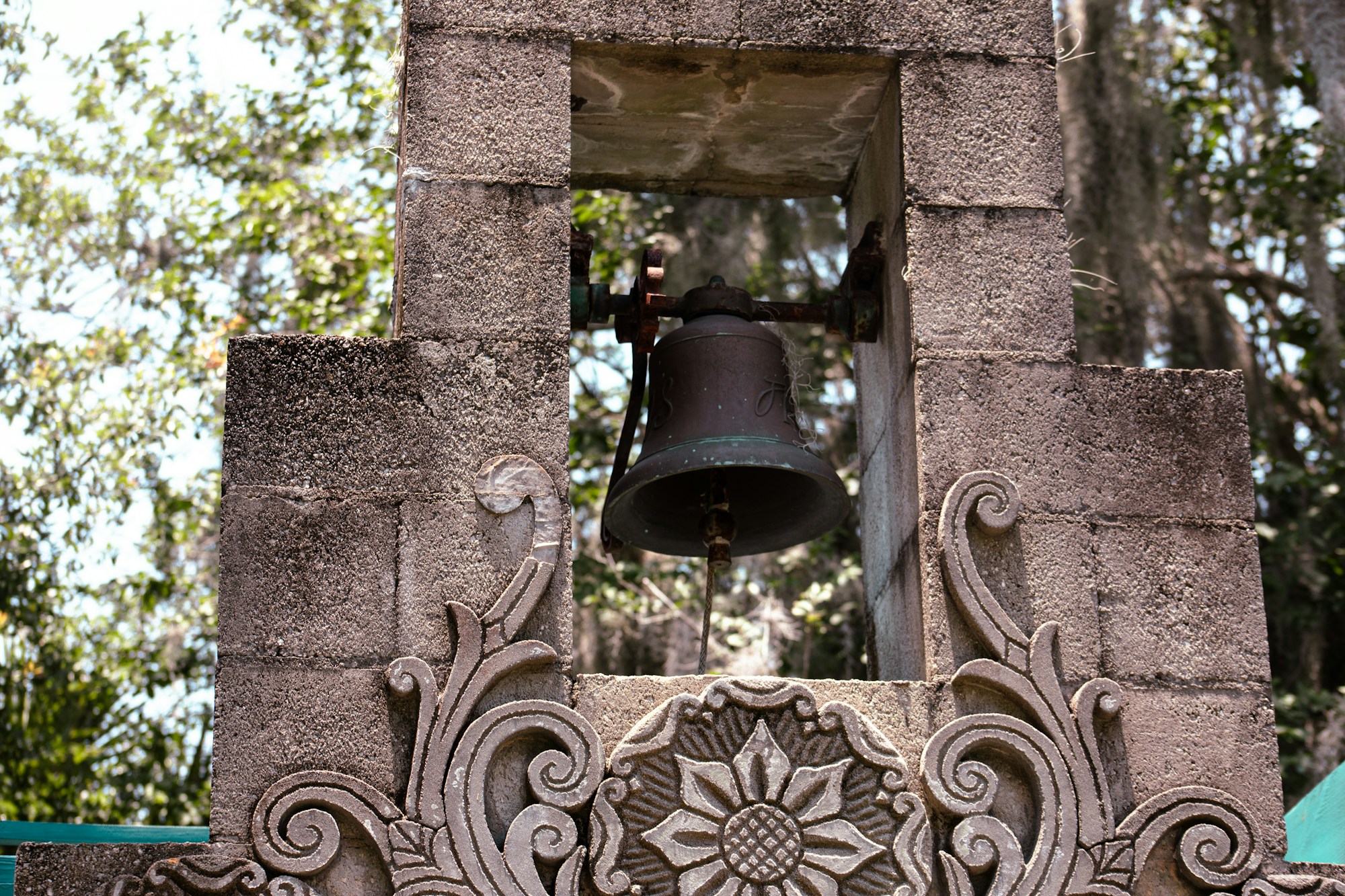
The last bell foundry in England
For three hundred years one yard in the East End cast the bells of half the world. Then it went quiet. What a town loses when it stops making the loud things.
Maud Ellery

Chronicles
A year of medieval bread
I baked from a single 1390 household book every week for a year. The bread was better than I expected, and the rules around it were stranger.
Tobias Wren

Craft
Making oak-gall ink at home
The ink of Magna Carta and most medieval books is made from wasp-stung oak galls, rusty iron and gum. You can make a bottle this weekend.
Isolde Marr
¶ The Thursday letter
One letter, every Thursday.
The week’s long read, one thing worth making, and a note from the margins. Free, no tracking pixels, and you can leave in one click.
18,400 readers in 61 countries. Sent at 7 a.m. your time.