Making oak-gall ink at home
The ink of Magna Carta and most medieval books is made from wasp-stung oak galls, rusty iron and gum. You can make a bottle this weekend.

ou need four things, and one of them is a wasp’s nursery. Oak galls are the round growths oak trees make around a wasp egg, and they are full of tannin.
Collect a handful of galls in autumn, or buy them from a dyers’ supplier. Crush them to a coarse powder in a mortar. You want something like cracked pepper, not flour.
The four ingredients
Steep 20 g of crushed galls in 250 ml of rainwater for three days. Strain. Add 10 g of iron sulphate and watch the brown liquid turn black. Stir in 8 g of gum arabic until it dissolves, then bottle it.
Writing with it
The ink goes on a faint grey-violet and darkens as it dries. Use a dip pen or a quill, not a fountain pen: iron gall ink is acidic and will corrode the feed.
Label the bottle with the date. Good gall ink keeps for years, and it will outlast you on the page.

¶ Written by
Isolde Marr
Craft editor
Isolde trained as a manuscript conservator and still grinds her own pigments. She writes the Craft guides and tests every step in her kitchen first.
More from the journal
Essays
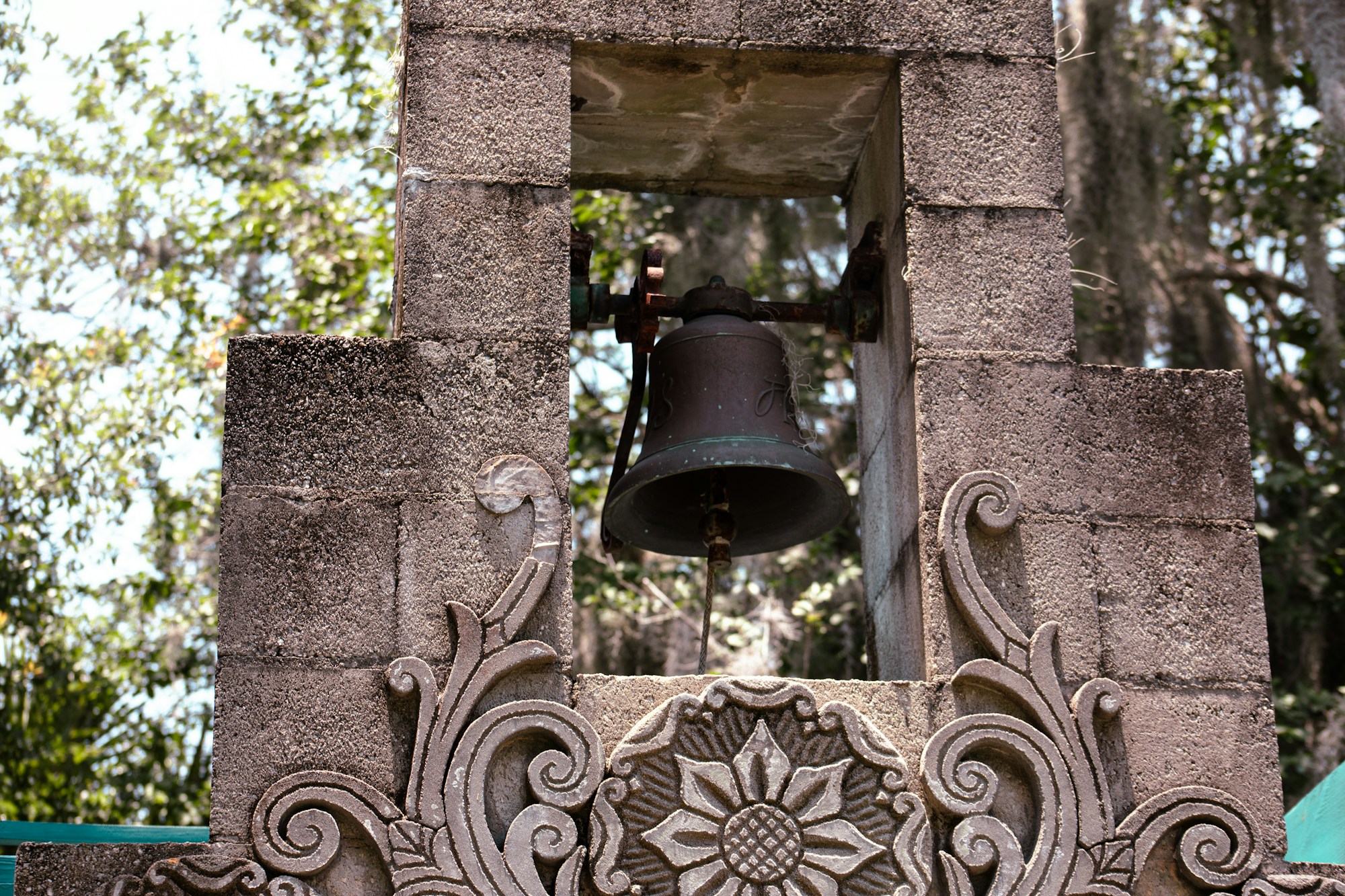
The last bell foundry in England
For three hundred years one yard in the East End cast the bells of half the world. Then it went quiet. What a town loses when it stops making the loud things.
Maud Ellery

Chronicles
A year of medieval bread
I baked from a single 1390 household book every week for a year. The bread was better than I expected, and the rules around it were stranger.
Tobias Wren
Craft
Making oak-gall ink at home
The ink of Magna Carta and most medieval books is made from wasp-stung oak galls, rusty iron and gum. You can make a bottle this weekend.
Isolde Marr
¶ The Thursday letter
One letter, every Thursday.
The week’s long read, one thing worth making, and a note from the margins. Free, no tracking pixels, and you can leave in one click.
18,400 readers in 61 countries. Sent at 7 a.m. your time.