Walking the old salt roads
Before canals and railways, salt left Cheshire on the backs of packhorses. Their roads are still there if you know which hedges to follow.
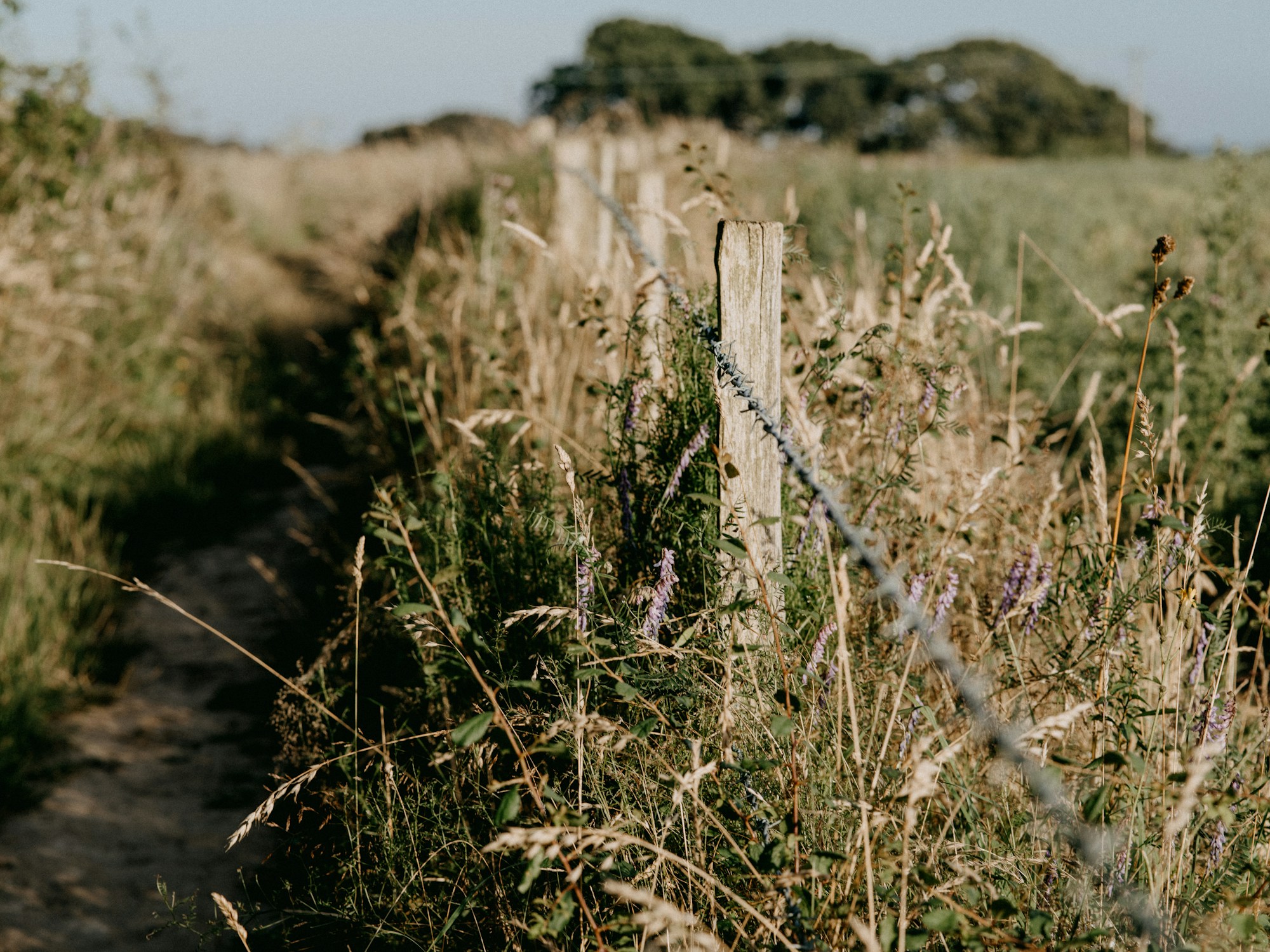
alt roads are easy to miss because they were built to be ordinary. Sunken, hedged both sides, and just wide enough for two laden horses to pass.
I set out from Nantwich with a copy of a 1720s road book and a bag of sandwiches. The book was right more often than my phone.
Reading a hedge
An old road is lined with old hedges, and old hedges hold more kinds of shrub. Count the species in a thirty-yard stretch. Five or more and you are probably walking something medieval.
Where the salt went
The road ran east over the moors to Sheffield and the markets beyond. Inns grew at a day’s walk apart. Some are still pubs; one is still called the Salters’ Rest and still serves a pie big enough for a drover.
By the third day I had stopped looking at the map and started looking at the ground.

¶ Written by
Hal Denby
Field correspondent
Hal walks to most of his stories. He has covered salt roads, lighthouses, forges and the last working thatchers, usually in the rain.
More from the journal
Essays
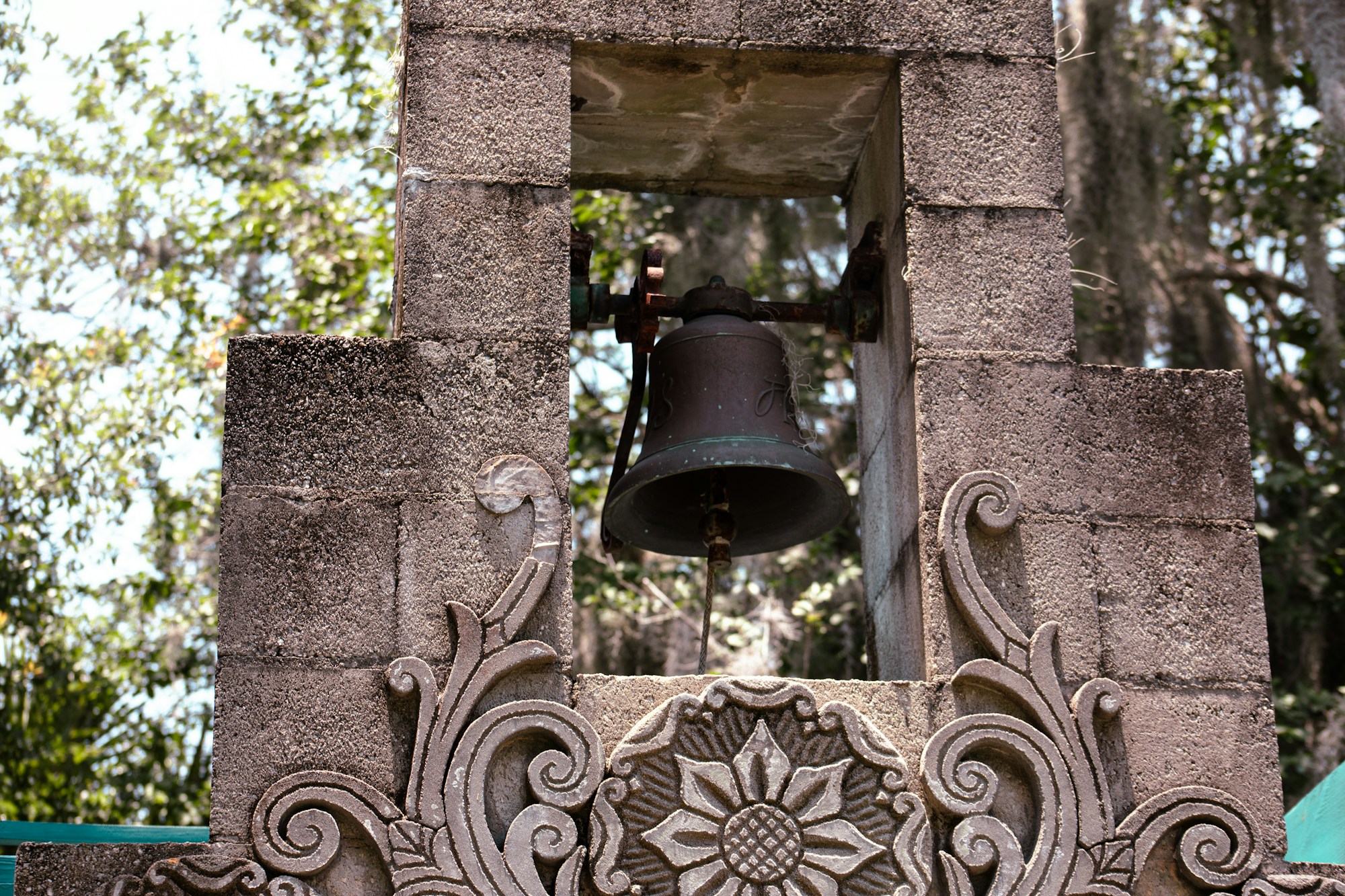
The last bell foundry in England
For three hundred years one yard in the East End cast the bells of half the world. Then it went quiet. What a town loses when it stops making the loud things.
Maud Ellery

Chronicles
A year of medieval bread
I baked from a single 1390 household book every week for a year. The bread was better than I expected, and the rules around it were stranger.
Tobias Wren

Craft
Making oak-gall ink at home
The ink of Magna Carta and most medieval books is made from wasp-stung oak galls, rusty iron and gum. You can make a bottle this weekend.
Isolde Marr
¶ The Thursday letter
One letter, every Thursday.
The week’s long read, one thing worth making, and a note from the margins. Free, no tracking pixels, and you can leave in one click.
18,400 readers in 61 countries. Sent at 7 a.m. your time.