¶ The lead story · Issue XIV
Essays
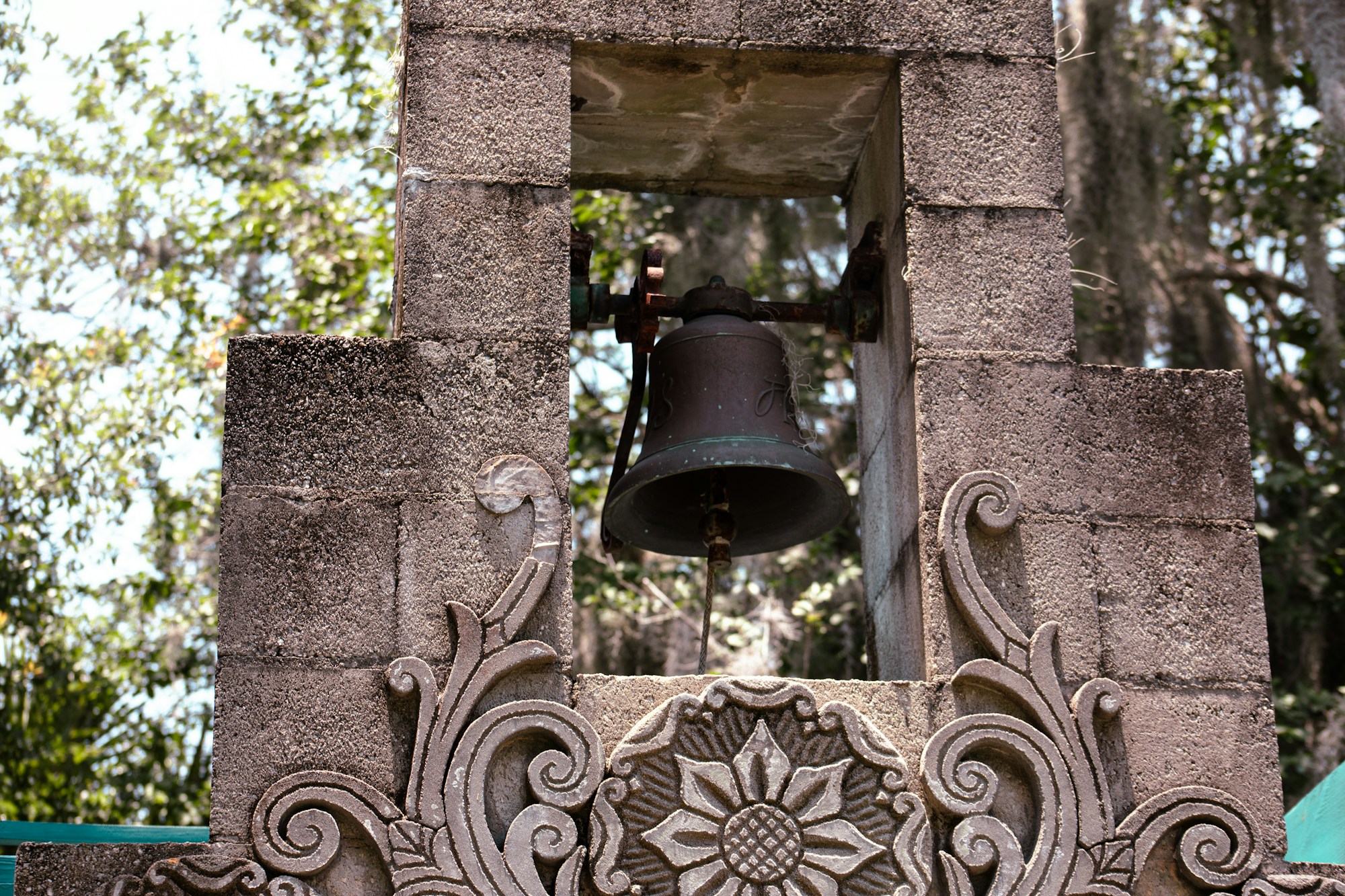
or three hundred years a yard off Whitechapel Road cast the bells that rang over half the world. Then, one March, the furnace went out and did not come back on.
Maud Ellery
· 18 min read
Read the essay →
¶ The five categories
Five ways in
Every post belongs to one of five categories, and each has its own coat of arms. Pick a shield and read everything under it.
Essays
Azure, a chevron Or
Long arguments for slow, well-made things.
Chronicles
Gules, a bend Or
History, told through the hands that made it.
Craft
Or, a fess Sable
Step by step: ink, gold, wood, iron and bread.
Field notes
Vert, a pale Or
Walks, workshops and the places still working.
Conversations
Purpure, a saltire Or
Long interviews with people who make things.
¶ New in the journal
Fresh from the desk
A new long read every Thursday, and a short one most Mondays. These are the latest.
¶ The article template
Every post reads like a page from a book.
Write in the CMS as usual. The template does the rest: it gilds the first letter, sets your side notes in the margin and draws reading progress as a growing ivy bar.
i.
An illuminated initial, painted in gold from a single letter field.
ii.
Glosses in the margin: type your notes, split them with a bar.
iii.
Reading progress drawn as ivy, with the minutes you have left.
Craft · Isolde Marr · 14 min
Gilding with gesso and bole
old leaf is thinner than a soap bubble. It will stick to your breath, your fingers and the draught under the door before it sticks to the page.
Lay the gesso first, in a raised pillow where you want the gold. Underneath, a coat of red clay called bole gives the gold its warm depth. Breathe on it, lower the leaf, and burnish.
¶ Issue XIV · The Making Issue
Twelve pieces, one theme
Keep scrolling: the whole issue slides past like a roll of pages.
Essays
The last bell foundry in England
Maud Ellery

Chronicles
A year of medieval bread
Tobias Wren

Craft
Making oak-gall ink at home
Isolde Marr
Field notes
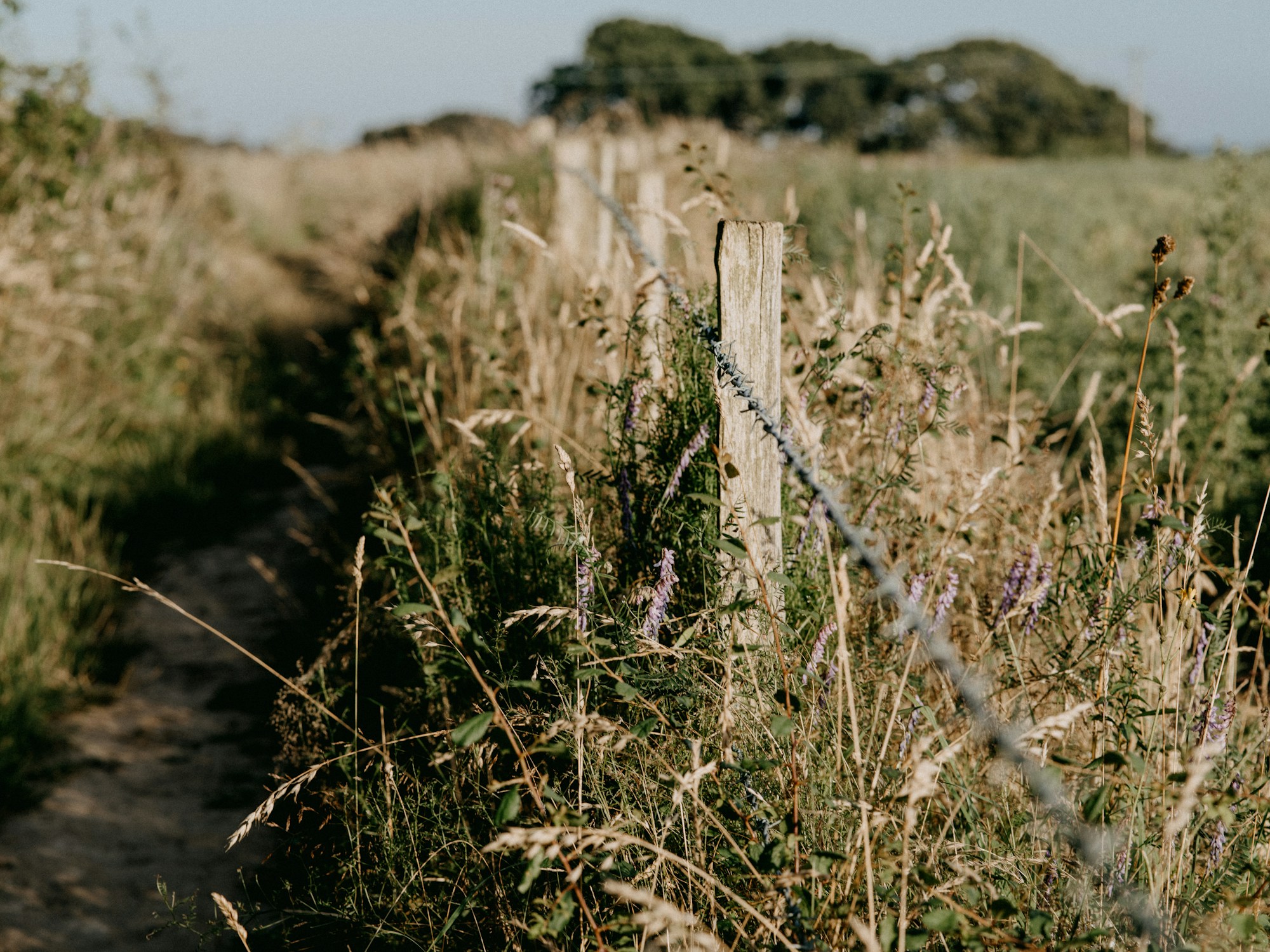
Walking the old salt roads
Hal Denby

Conversations
A calligrapher on forty years of ink
Maud Ellery

Essays
Why we stopped mending things
Oona Pike

Chronicles
The monks who invented the footnote
Tobias Wren

Craft
Sharpening like a Victorian joiner
Hal Denby

Field notes
Three days in a working scriptorium
Isolde Marr
Chronicles
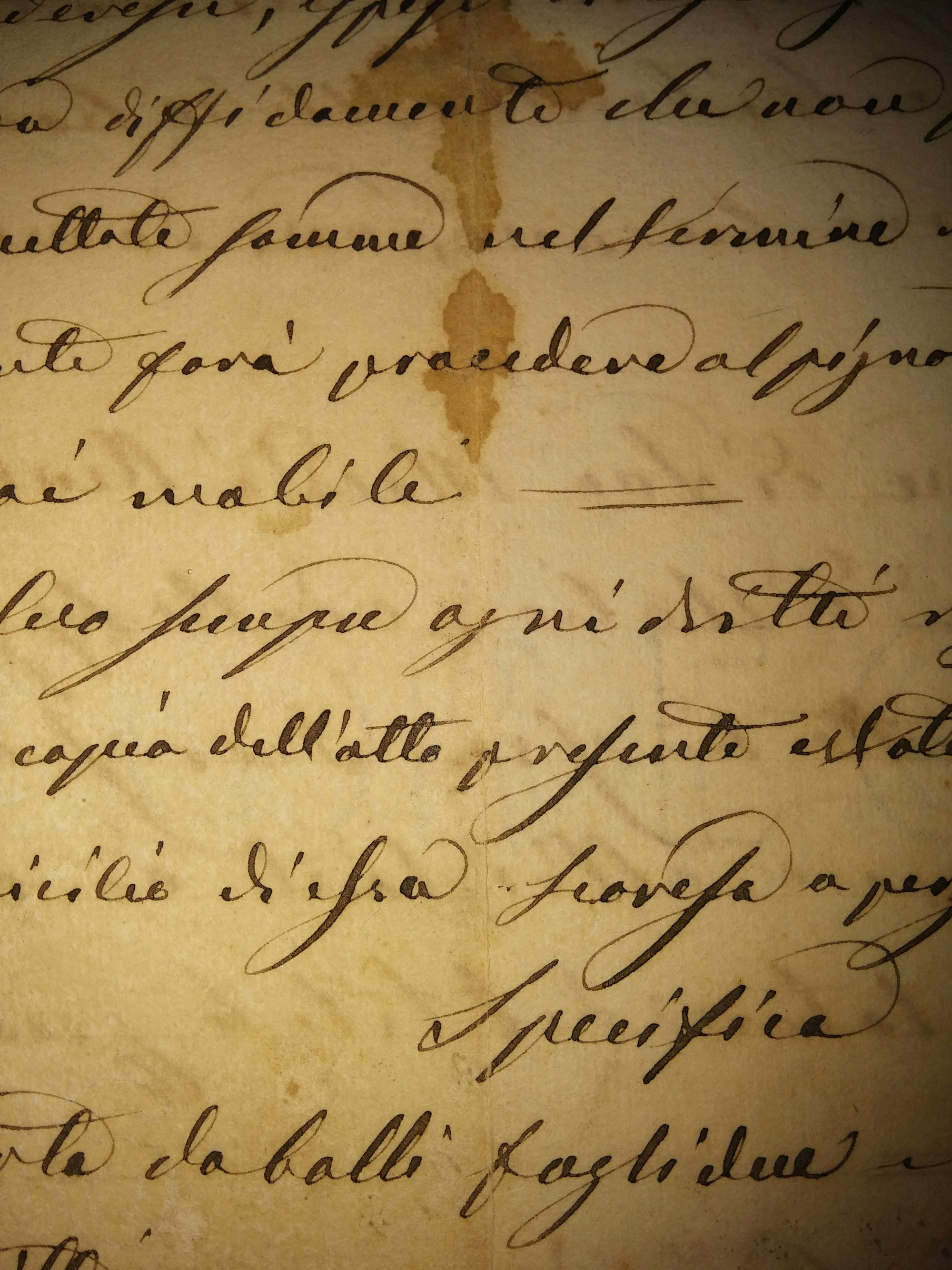
The ink recipe that outlived an empire
Tobias Wren

Craft
Gilding with gesso and bole
Isolde Marr

Conversations
The last apprentice at the forge
Hal Denby
¶ The masthead
Written by hand
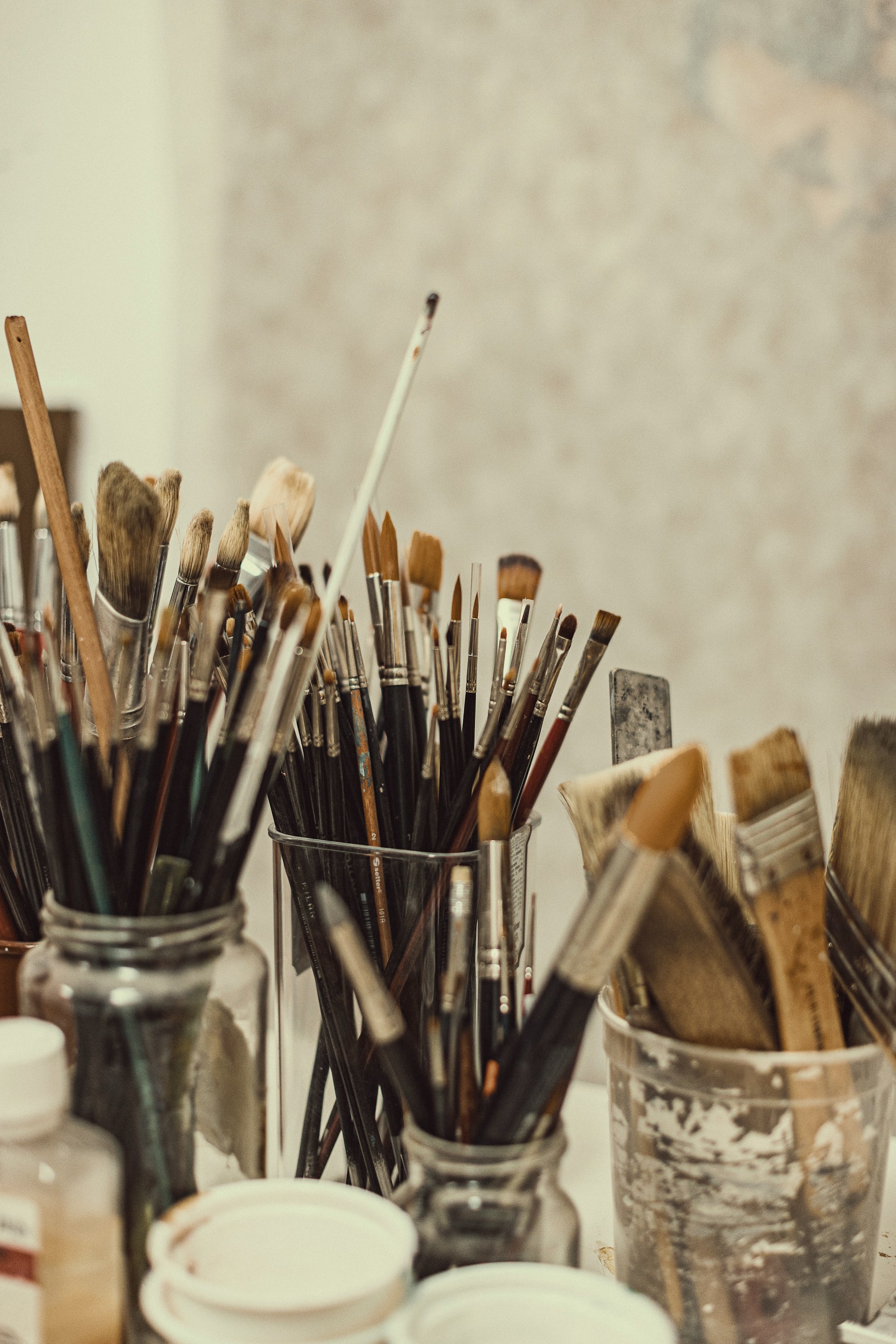
Six regular writers and one illustrator, most of whom still make the things they write about.




¶ Letters to the editor
Readers write back
We print a handful every issue. Corrections are the ones we like best.
Your piece on mending sent me to my grandmother’s sewing tin. I darned three socks and cried a bit. Thank you.
Ruth O.
Aberdeen
I made the oak-gall ink with my daughter. It went on grey and came up black by teatime, exactly as promised. She now writes everything in it.
Dev P.
Leicester
A small correction on the salt roads: the inn at Wheelock closed in 1968, not 1971. My father was the last landlord.
Margaret K.
Truro
The only magazine I read slowly on purpose. The margins are my favourite part.
Tomasz W.
Gdańsk
Please do bells again. The founders’ tuning book should be in a museum, not a barn.
Helen A.
Lewes
I am a joiner. Your Victorian sharpening routine is exactly what my old master taught me, down to the ten strokes on the strop.
Sam R.
Durham
¶ The Thursday letter
One letter, every Thursday.
The week’s long read, one thing worth making, and a note from the margins. Free, no tracking pixels, and you can leave in one click.
18,400 readers in 61 countries. Sent at 7 a.m. your time.
¶ Colophon
How The Wendmere is made

Written slowly
Every essay takes about a month: two weeks of reporting or making, a week of writing, a week of editing aloud. We publish when it is ready.

Checked twice
Every date, recipe and measurement is checked against a source, and every source is listed at the foot of the article. Corrections go in the margin, not down a memory hole.
Drawn by hand
Our arms read Azure, a chevron between three bezants Or: blue, a gold chevron and three gold coins. Wynn Ashdown drew them, and the snail on the foot of the page.