The monks who invented the footnote
Medieval readers argued in the margins. The tiny notes they left around the text became glosses, then commentaries, then the humble footnote.

efore there were footnotes there were glosses: small notes written between the lines and around the edges of a page, explaining, correcting and sometimes complaining.
A glossed page is a conversation laid out in space. The main text sits in the middle in a large hand; around it, in smaller script, generations of readers talk back.
Making room to argue
Scribes began ruling pages with wide margins on purpose. The layout expected disagreement. A student could copy the text and leave space for the teacher’s notes to come.
From margin to foot
Printing made margins expensive. The notes shrank, moved to the bottom of the page and gained numbers. The argument survived; it just got smaller.
Every note in this magazine’s margins is a small tribute to those readers.

¶ Written by
Tobias Wren
History editor
Tobias is a former archivist who reads account books for fun. His Chronicles follow one object, recipe or guild through the centuries, footnotes and all.
More from the journal
Essays
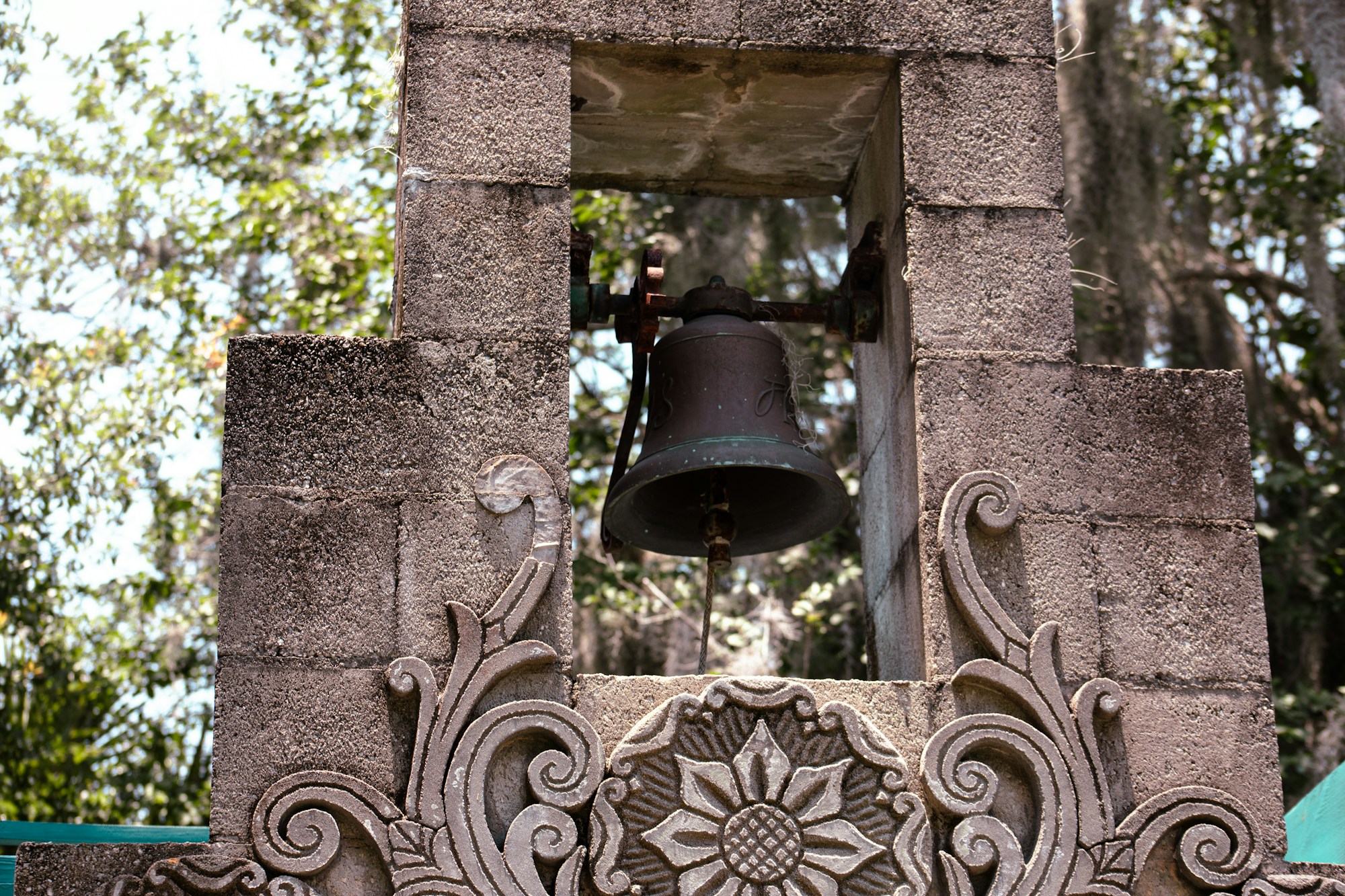
The last bell foundry in England
For three hundred years one yard in the East End cast the bells of half the world. Then it went quiet. What a town loses when it stops making the loud things.
Maud Ellery

Chronicles
A year of medieval bread
I baked from a single 1390 household book every week for a year. The bread was better than I expected, and the rules around it were stranger.
Tobias Wren

Craft
Making oak-gall ink at home
The ink of Magna Carta and most medieval books is made from wasp-stung oak galls, rusty iron and gum. You can make a bottle this weekend.
Isolde Marr
¶ The Thursday letter
One letter, every Thursday.
The week’s long read, one thing worth making, and a note from the margins. Free, no tracking pixels, and you can leave in one click.
18,400 readers in 61 countries. Sent at 7 a.m. your time.