The ink recipe that outlived an empire
Oak-gall ink was mixed the same way in Rome, Baghdad, Canterbury and the US Treasury. It is the longest-running recipe in the history of writing.
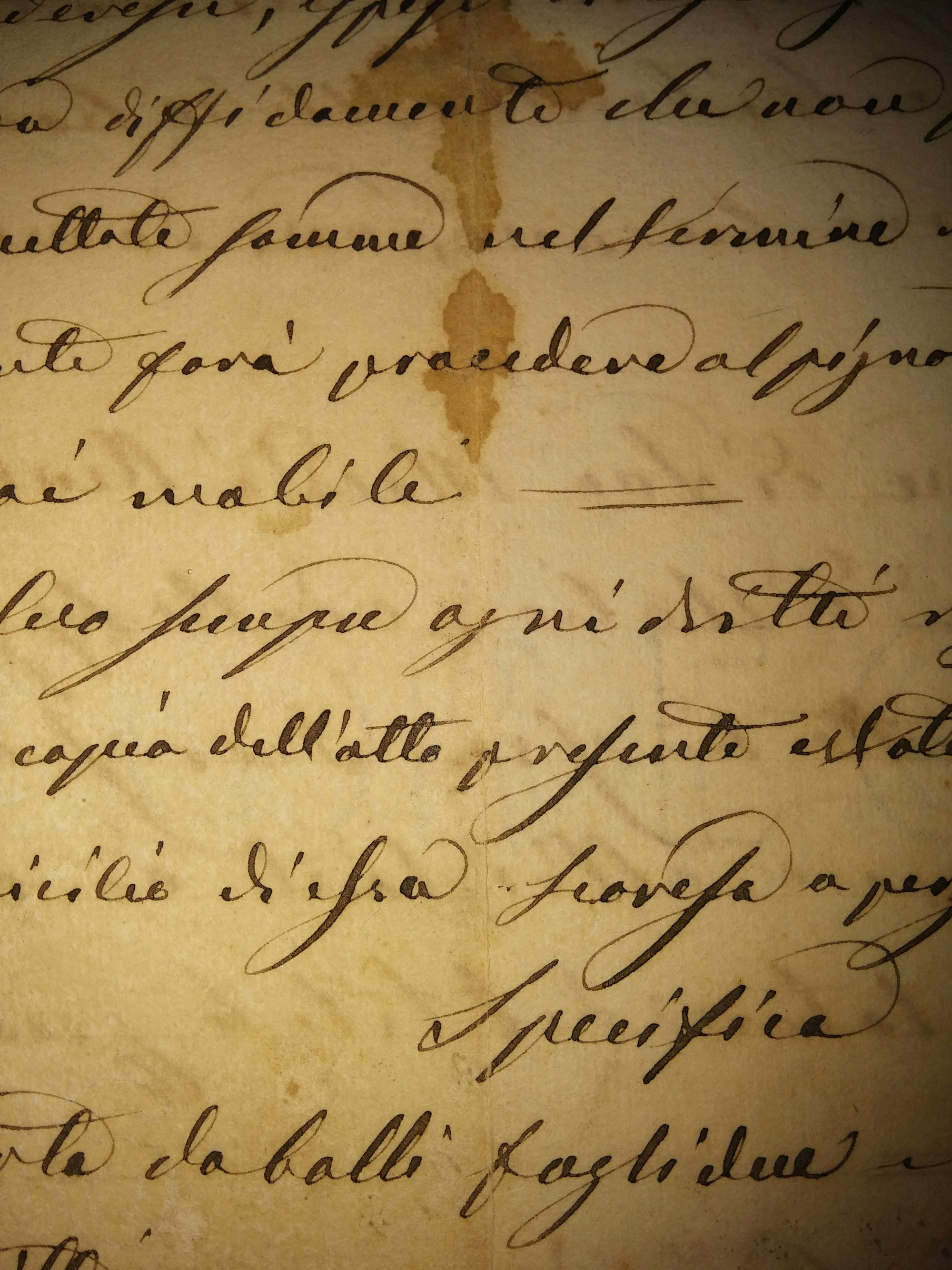
ak galls, iron, gum and water. The same four ingredients wrote the Dead Sea Scrolls’ neighbours, the Domesday Book and the Declaration of Independence.
Most recipes drift. Bread, beer and medicine changed with every generation. Iron gall ink barely moved for fifteen hundred years, because it did one job perfectly: it bit into the page and stayed.
Permanent on purpose
Carbon ink sits on the surface and can be washed off. Gall ink reacts with the parchment itself. For contracts, charters and laws, that was the point.
The price of permanence
The same chemistry that made it last can make it destroy. Too much iron, and centuries later the letters crack out of the page like windows from a frame.
The recipe survived because it was trusted. The books survive because conservators never stopped paying attention.

¶ Written by
Tobias Wren
History editor
Tobias is a former archivist who reads account books for fun. His Chronicles follow one object, recipe or guild through the centuries, footnotes and all.
More from the journal

Essays
The last bell foundry in England
For three hundred years one yard in the East End cast the bells of half the world. Then it went quiet. What a town loses when it stops making the loud things.
Maud Ellery

Chronicles
A year of medieval bread
I baked from a single 1390 household book every week for a year. The bread was better than I expected, and the rules around it were stranger.
Tobias Wren

Craft
Making oak-gall ink at home
The ink of Magna Carta and most medieval books is made from wasp-stung oak galls, rusty iron and gum. You can make a bottle this weekend.
Isolde Marr
¶ The Thursday letter
One letter, every Thursday.
The week’s long read, one thing worth making, and a note from the margins. Free, no tracking pixels, and you can leave in one click.
18,400 readers in 61 countries. Sent at 7 a.m. your time.