Three days in a working scriptorium
A small community in the Welsh borders still copies books by hand. I spent three days at their desks and came home unable to rush a sentence.

he scriptorium is a long room with north light, twelve sloped desks and a rule of silence that nobody enforces because nobody needs to.
The day starts at six with ruling. Every page is pricked with an awl down the margin and ruled with a hard point, so the lines are dents rather than marks.
The pace of a page
A skilled scribe writes about a page a day in a formal hand. After an hour I had written eleven words and ruined two sheets. The monk beside me said this was normal and went back to his psalm.
What I brought home
Not a skill, yet. A pace. The habit of finishing a line before starting the next one, and of reading my own work back slowly, as if someone else wrote it.
They let me keep the eleven words.

¶ Written by
Isolde Marr
Craft editor
Isolde trained as a manuscript conservator and still grinds her own pigments. She writes the Craft guides and tests every step in her kitchen first.
More from the journal
Essays
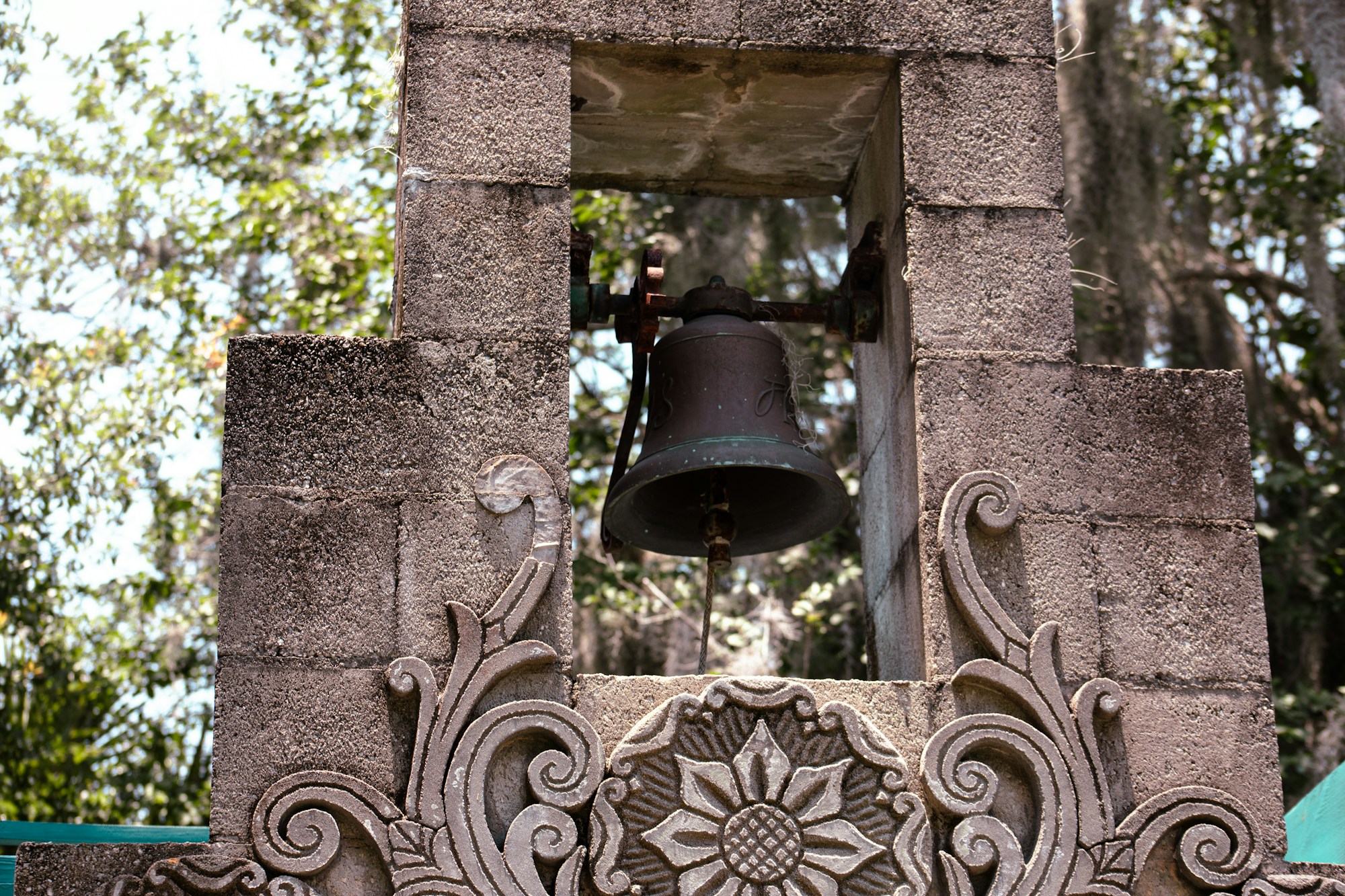
The last bell foundry in England
For three hundred years one yard in the East End cast the bells of half the world. Then it went quiet. What a town loses when it stops making the loud things.
Maud Ellery

Chronicles
A year of medieval bread
I baked from a single 1390 household book every week for a year. The bread was better than I expected, and the rules around it were stranger.
Tobias Wren

Craft
Making oak-gall ink at home
The ink of Magna Carta and most medieval books is made from wasp-stung oak galls, rusty iron and gum. You can make a bottle this weekend.
Isolde Marr
¶ The Thursday letter
One letter, every Thursday.
The week’s long read, one thing worth making, and a note from the margins. Free, no tracking pixels, and you can leave in one click.
18,400 readers in 61 countries. Sent at 7 a.m. your time.